Network for Renewable Raw Materials in the State of Brandenburg – Neuwerg

Duration 01.01.2025 - 31.12.2027
Management Zimmermann, Beate, Direktorin
Processing Rademacher, Anne, Lukas, Stefan, Schlepphorst, Rainer,
Category Forests , Landwirtschaft ,
Keywords bioeconomy, circular economy, regional value creation, renewable resources, sustainability,

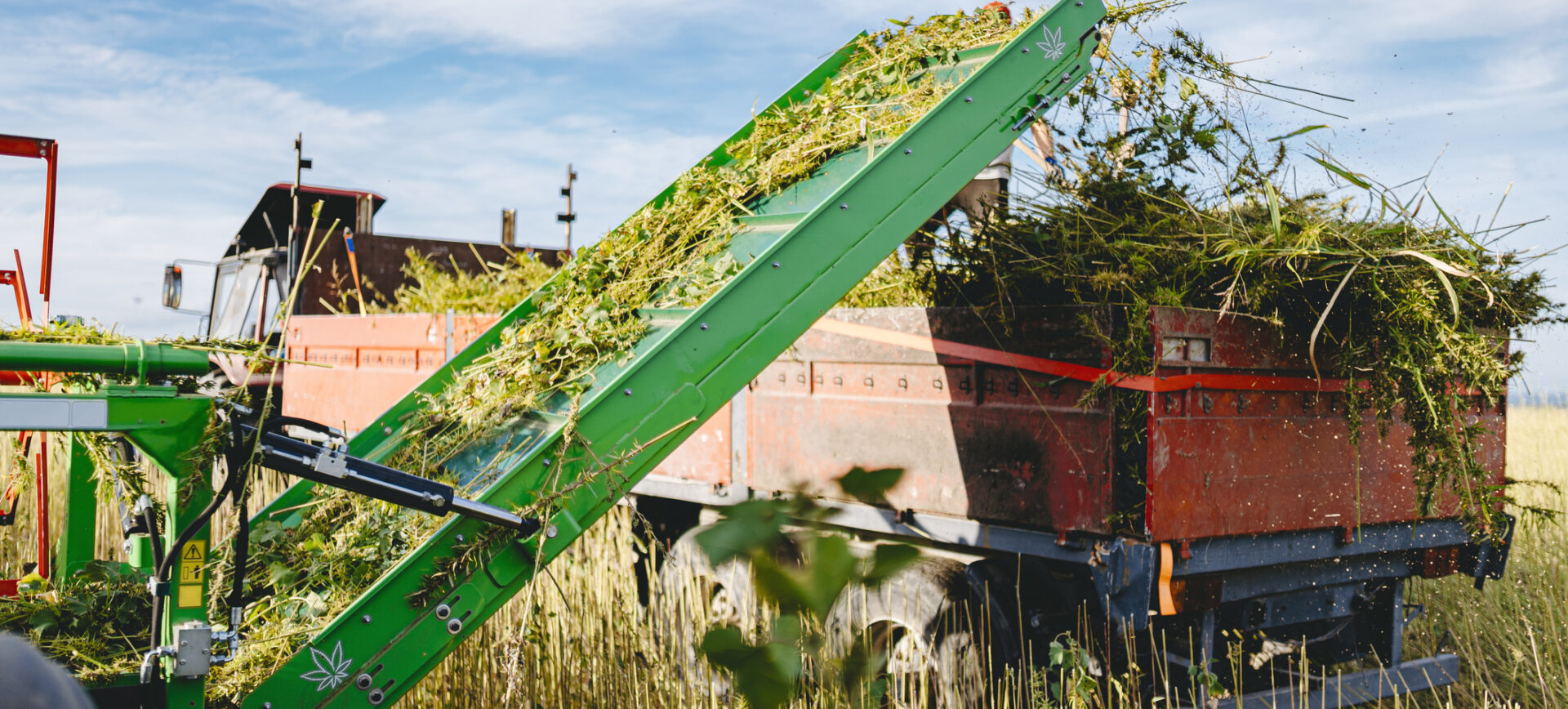
In November 2021, the “Network for Renewable Raw Materials in the State of Brandenburg” (NNR-BB) was established at the Research Institute for Post-Mining Landscapes (FIB) to increase the cultivation and processing of renewable raw materials (NAWARO) in Brandenburg. Operated under the name Neuwerg, this non-profit platform aims to promote the material and energetic use of agricultural industrial raw materials and to unlock “hidden” innovation potential.

The main objective is to increase production and value creation based on renewable raw materials (NAWARO) and to close regional material cycles. In addition, the aim is to promote crops and products that can be produced in a climate-adapted and climate-neutral way, while also conserving soil and reducing environmental impact. The cultivated NAWARO should ideally replace high-value industrial raw materials, preferably through regional use and largely closed material cycles.

Given the natural conditions in Brandenburg, systems for biomass cultivation on low-yield sites must also be taken into account. These are areas with natural limitations where the usual arable crops cannot generate any, or only minimal, contributions to covering costs and thus do not pose significant competition to food production.

The spectrum ranges from innovative crops and cultivation methods adapted to climate change, to biotechnologically produced chemicals and biomaterials, natural building and construction materials, cosmetics, cascade-like production lines and combined uses, all the way to climate-neutral energy generation and the closed-loop management of residual materials. To achieve this, Neuwerg supports new business fields, value chains, and environmentally friendly products with a strong commitment to sustainability – fully in line with the SDGs (Sustainable Development Goals, Agenda 2030) of the United Nations.

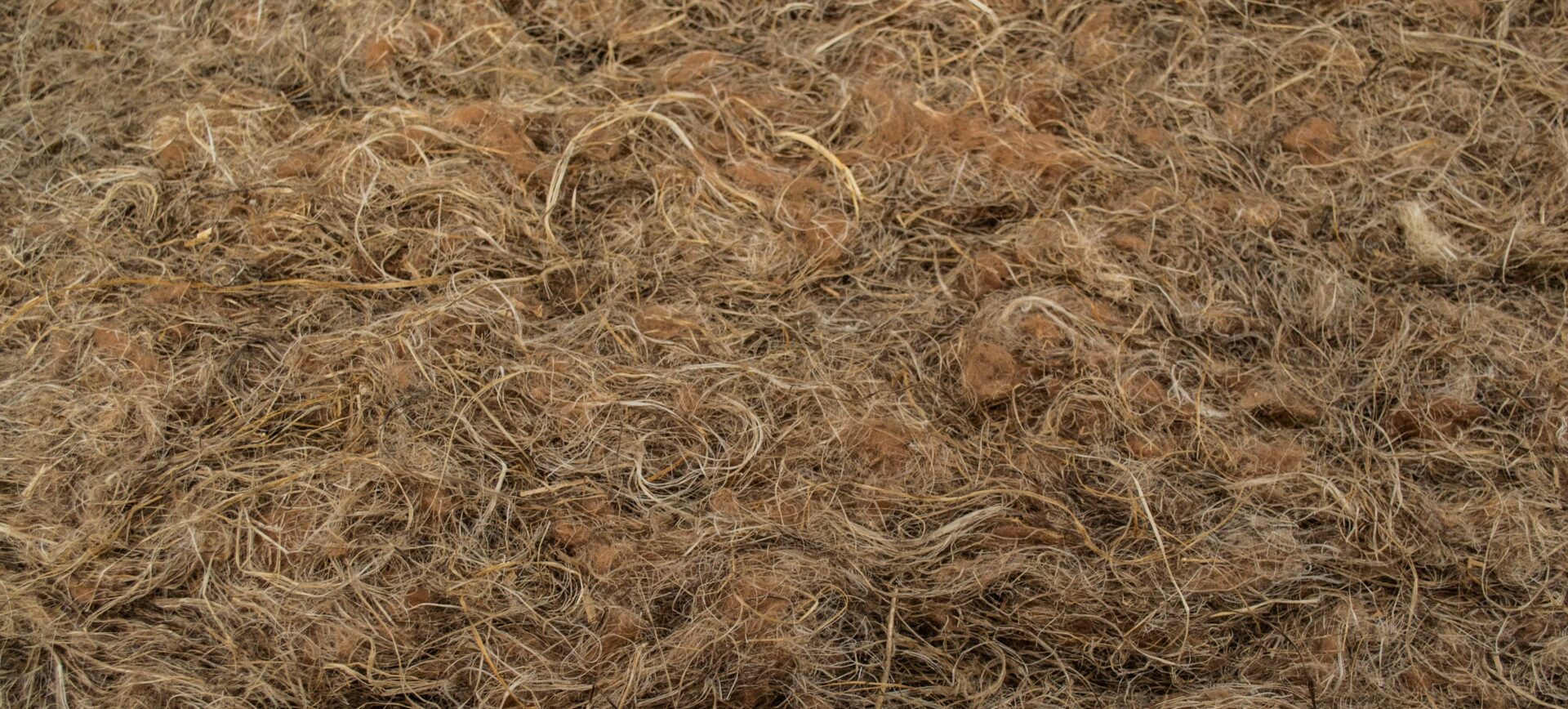
1) Neuwerg is an artificial word that refers to the term “ Werg”, which originates from the processing of flax and hemp fibers. The protected brand name is licensed for exclusive use – www.neuwerg.de.

Key areas of focus in our network activities include:

  • “Hub” – establishing and operating the online platform https://neuwerg.de to facilitate partner matchmaking, illustrate potential value chains for and through NAWARO, foster exchange among stakeholders, and provide information on events, news, literature, and media resources.
  • “Bridge function / connecting link” – facilitating knowledge transfer and information flow through specialist events, promoting exchange and networking among stakeholders, and raising the network’s visibility in Brandenburg and adjacent federal states through public relations.
  • “Representation” – identifying and showcasing best-practice examples for NAWARO, as well as promising project ideas, pilot initiatives, and flagship endeavors.
  • “Support” – fostering innovative business models by providing consulting services on opportunities and barriers, market assessments, reflection on practical experiences, as well as specialized and methodological input tailored to each individual case.

The focus is on agricultural and forestry businesses, NAWARO-processing companies and product manufacturers, as well as trading and marketing businesses, existing networks, professional associations and societies, and also scientific institutions, specialized authorities, consultants and agencies, local government bodies, and special-purpose associations.

Cooperation partners
Branchmark ug, Hemp Impact, Landeria ug, seenland safran
Project Funding

Ministry of Agriculture, Food, Environment and Consumer Protection (MLEUV) of the State of Brandenburg
Development of wood yield and C storage in forests under climate change

Duration 01.01.2024 - 31.12.2027
Management Köhler, Raul, Abt.-Leiter, stellv. Direktor
Processing Ertle, Christoph,
Category Forests ,
Keywords climate change, forest growth, timber increment,

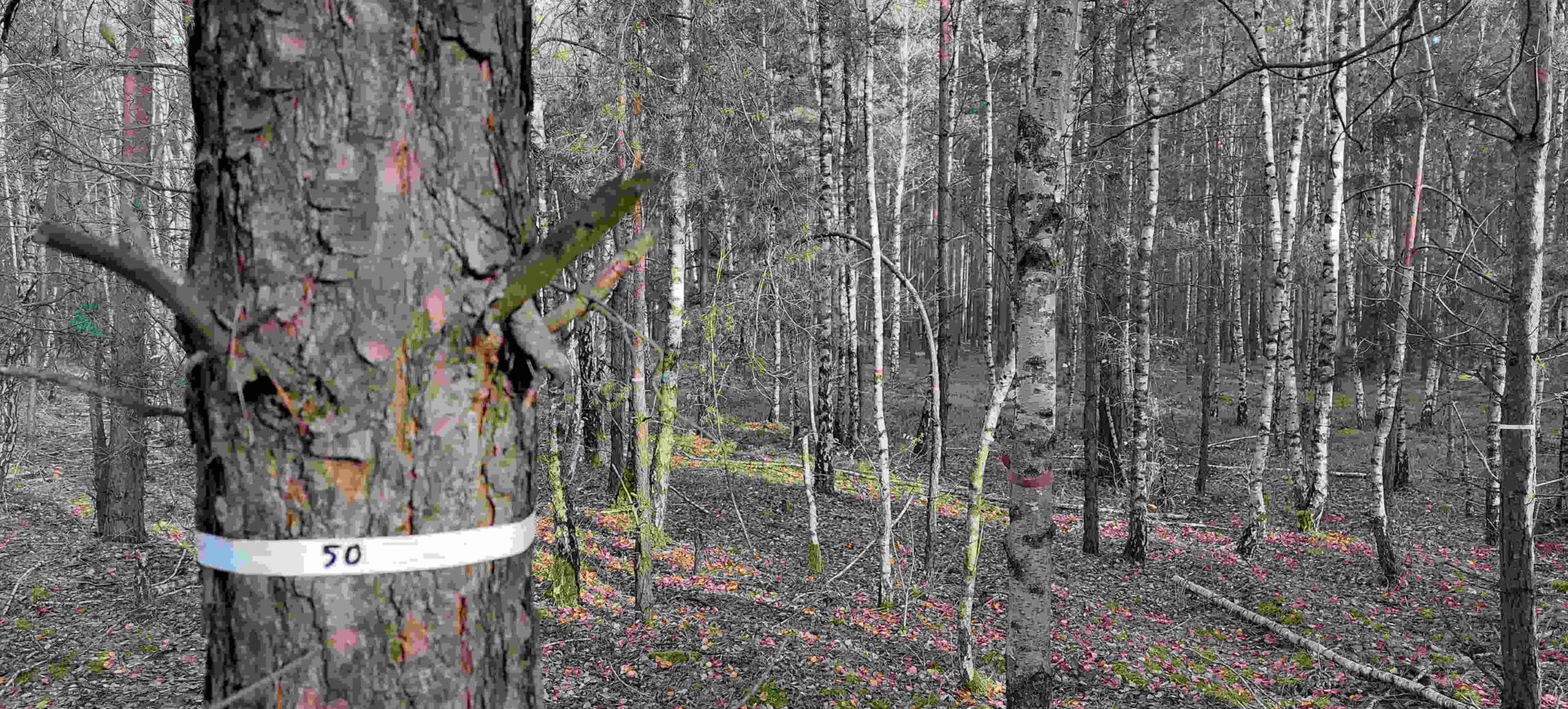
In order to provide acceptable estimates of biomass and wood growth in forests, forest growth simulators require regular checking of their plausibility, reliability and prediction accuracy. This is especially true when there is a fundamental change in system behavior, for example as a result of an environmentally-related “shift” in growth conditions, especially the water balance and the growing season.

The goal is to predict future forest structure by updating existing models.

Subtasks:

  • Updated growth trend analyzes for the main commercial tree species: Norway pine, sessile/pedunculate oak and European birch – location-related, stock-dependent and under different climate scenarios in the landscape area.
  • Re-parameterization of existing growth equations
  • Adaptation of the forecast tool regarding radial growth functions for climate-sensitive simulations of stand growth and the resulting wood yield formation.

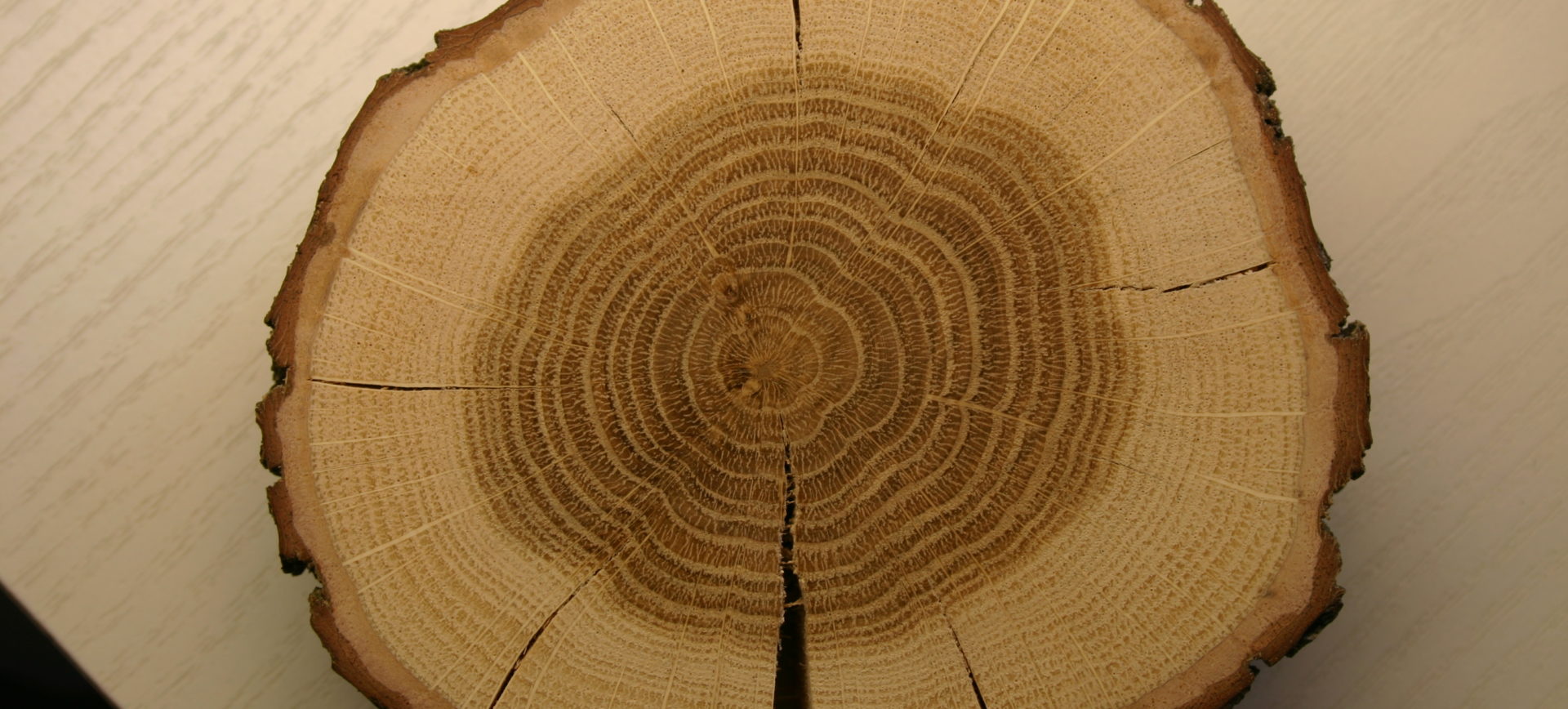
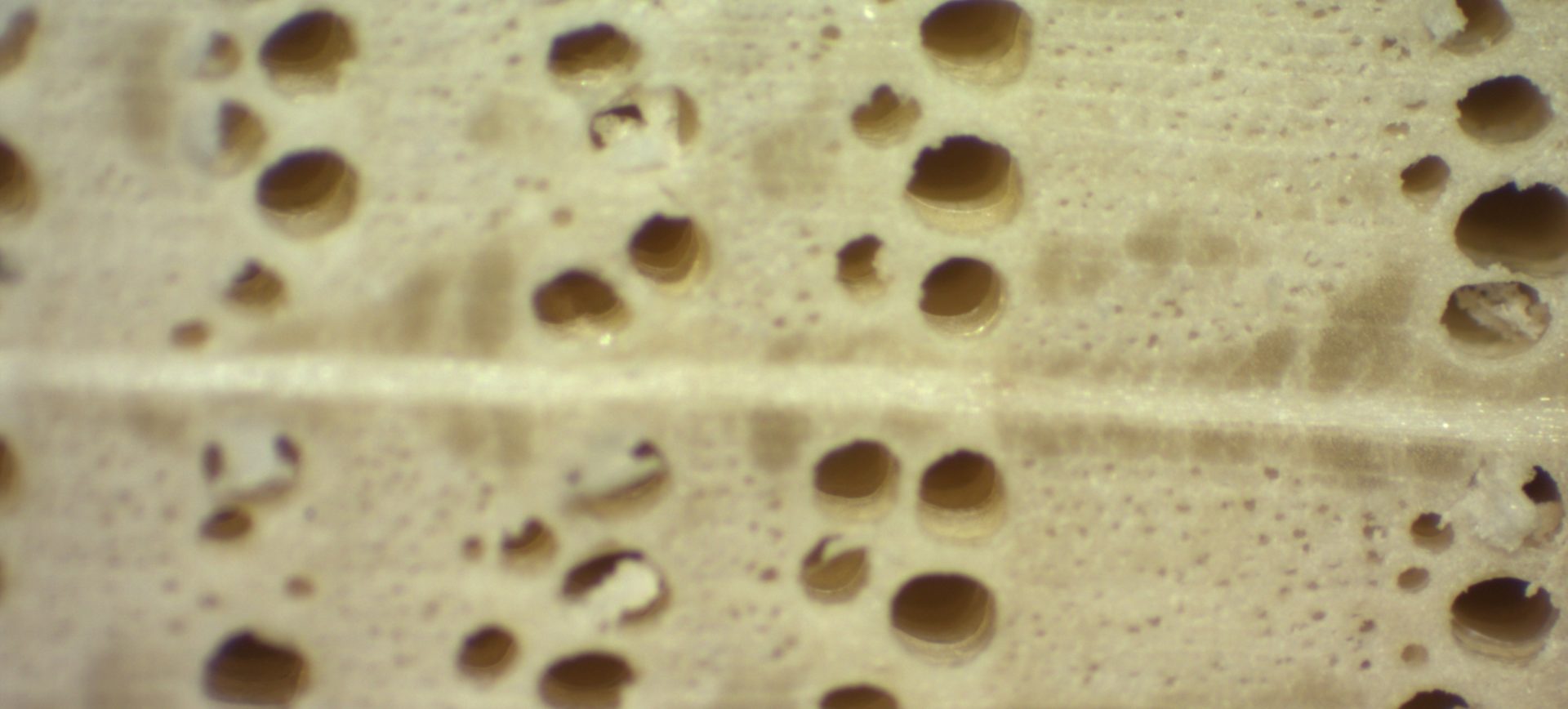
The analyzes relate to typical pure stands as well as complex mixed stand situations of the three main tree species. In model stands typical for the region, the development of the increase in diameter and height in different social tree and diameter classes is examined in more detail. The future population development can then be estimated based on the annual growth of tree rings and the filtered weather signals – combined with scenario-based trend analyses. The climate-driven growth trends of tree species and locations within the region can be compared. The following questions must be answered:

  • Which local and climatic factors control the growth of individual trees and stands?
  • Which predictors can be filtered out and are suitable for realistic, accurate growth forecasts?How does the volume performance of real forest structures compare to the theoretical expected values? What explains the deviation between observation or measurement and the model data obtained?
  • What systematic biases exist? How do different climate scenarios affect the growth behavior of individual tree species and selected forest stands?


Partner

Landesbetrieb Forst Brandenburg (LFB)

Project Funding

Ministerium für Land- und Ernährungswirtschaft, Umwelt und Verbraucherschutz des Landes Brandenburg (MLEUV)

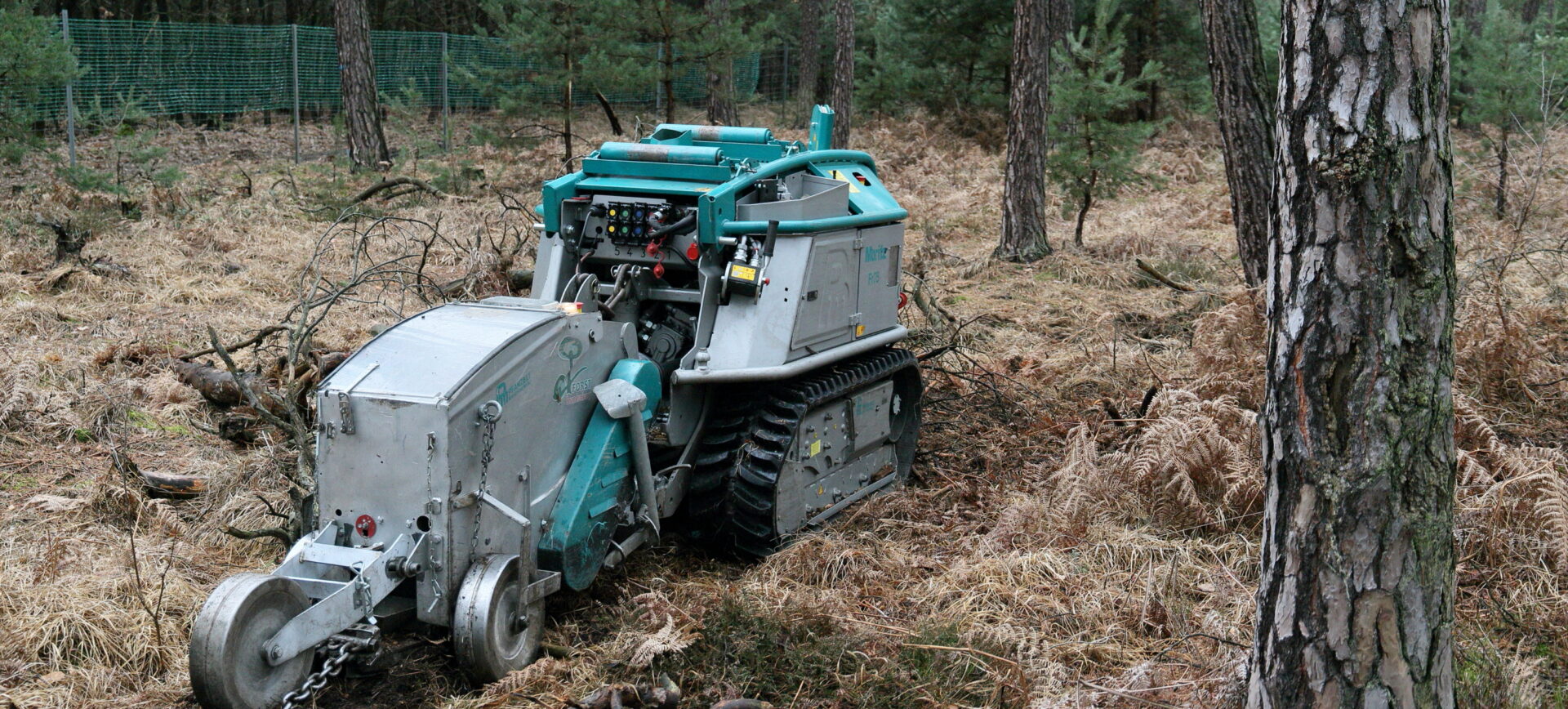
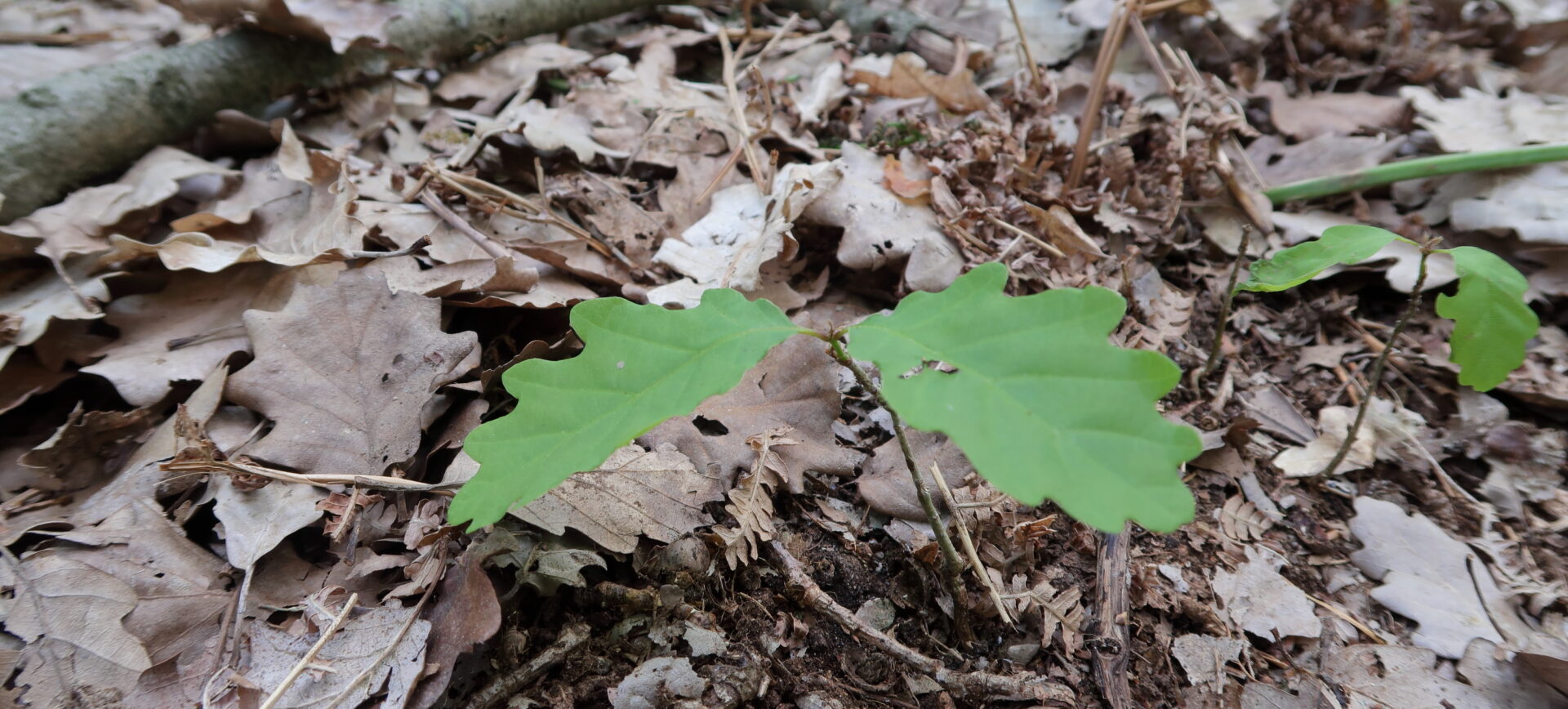
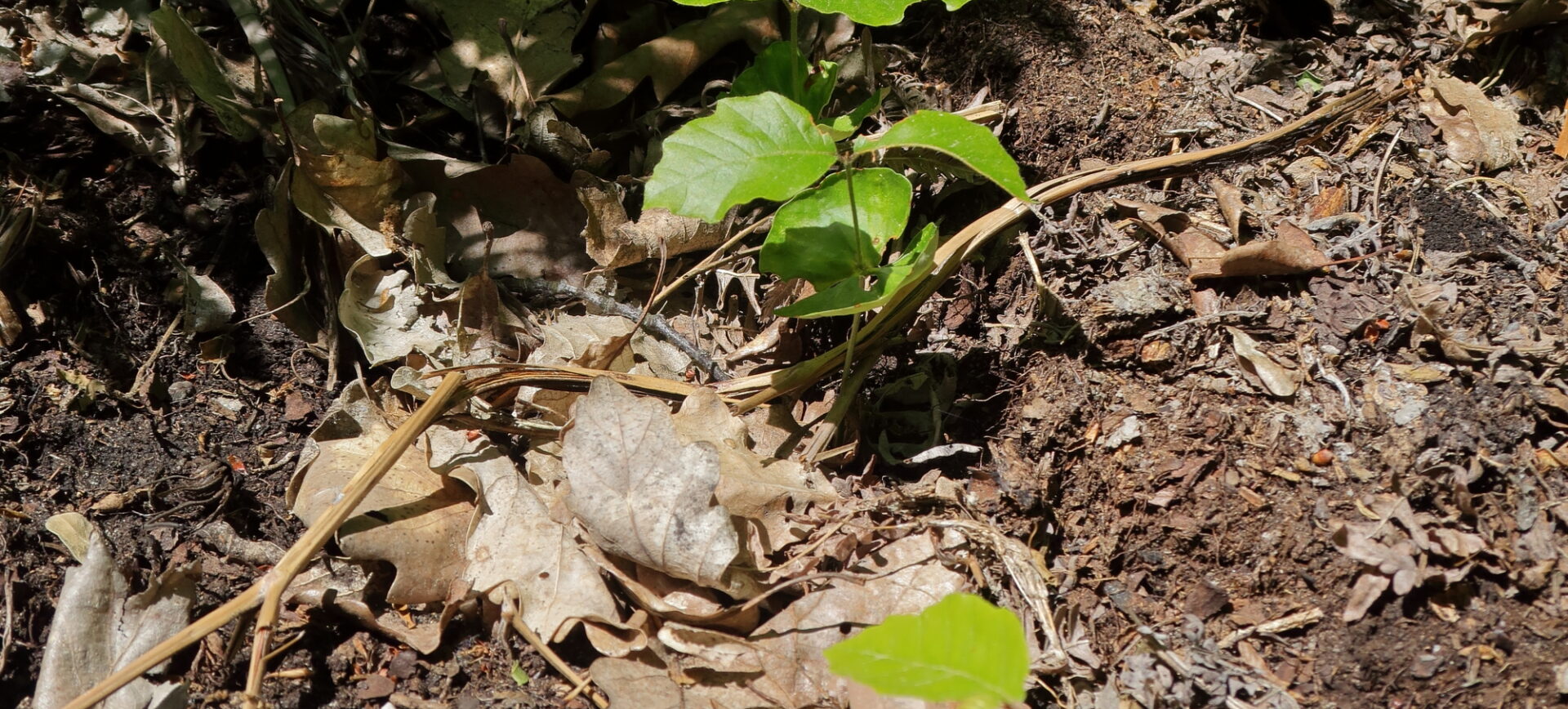
Innovations for forest regeneration – technology trials for fully mechanized forest seeding.

Duration 01.11.2024 - 31.12.2027
Management Köhler, Raul, Abt.-Leiter, stellv. Direktor
Processing Köhler, Raul, Abt.-Leiter, stellv. Direktor, Lange, Christian,
Category Forests ,
Keywords Forest restoration, forest seeding, small-scale technology,

Since the introduction of modern planting machines in the 1960/1970s, forest seeding has played only a minor role in Brandenburg. Although generally encouraged, only 5% of the annual cultivated area is sown in the state forest. Based on the machine capacity, 10 times as much would already be possible. However, sowing methods tested elsewhere cannot be transferred to Brandenburgs forests without further investigation.

The ecological, economic and technological advantages of fully mechanized no-till farming are obvious. However, the Brandenburg state forest service lacks a scientifically proven basis for decision-making, for example on the use of small-scale forestry technology. So far, this has been replaced by knowledge, derived from local observations and personal – even accidental – experience. Systematic trials of techniques and procedures in typical regeneration situations are therefore particularly necessary, taking into account mixed tree species as well. The aim is to use the precious seed as sparingly and efficiently as possible, with the best possible regeneration success in terms of silvicultural objectives.

This results in the following subtasks:

(1) Identifying the framework conditions, success and critical factors,

(2) Testing, optimization and further development of new technologies for fully mechanized direct seeding, taking into account

(3) Consideration of important mixed tree species and

(4) Deriving recommendations for all forest owners and fields of action.

The climate-sensitive site and silvicultural region of southern Brandenburg is examined in more detail. The process trials are typical forest conversion areas of the Lusatian landscape.

Partner

Landesbetrieb Forst Brandenburg (LFB)

Project Funding

Ministerium für Land- und Ernährungswirtschaft, Umwelt und Verbraucherschutz des Landes Brandenburg (MLEUV)

dreieckiconsicons_linie-footer